VISUAL PREFERENCE
TESTING

Discover what people really respond to – and which visual elements make the difference

Great design needs to do more than look good. Whether it’s packaging, a logo, advertising or another brand asset, the individual visual elements can influence attention, emotional response and how the brand itself is perceived.

Visual preference testing helps you go beyond simply asking which design people prefer. By exploring both conscious preferences and more instinctive responses, you can understand what catches the eye, what connects with your audience and which elements are really working.

MORE THAN
LOOKS

Colours, imagery, typography, iconography, messaging and other visual cues can all influence the way consumers respond to a design.

But overall preference only tells you part of the story. Understanding the response to individual visual assets can reveal why one creative direction works better than another – and help identify the elements that should be retained, refined or reconsidered.

WHAT CATCHES
THE EYE?

Visual assets need to compete for attention. Split Second Research’s IMPACT approach measures visual capture by giving respondents a task and monitoring how quickly they detect a target within a visual scene.

This can reveal which features of a pack, product or other brand visual attract attention – and which are more easily overlooked. An explicit element can also be included, allowing people to identify the areas they consciously like looking at.

UNDERSTAND THE
RESPONSE

Knowing that people prefer one design is useful. Knowing why gives you something you can act on.

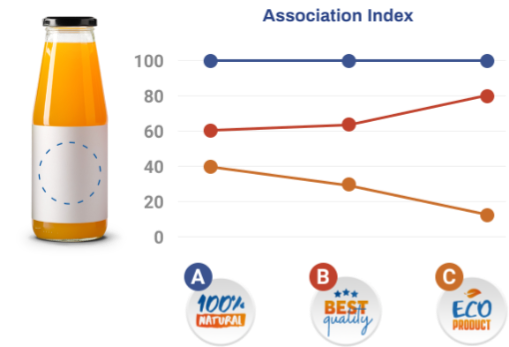
Visual preference research can explore individual assets as well as complete designs, helping you understand the contribution made by different elements. This can be particularly valuable when developing packaging, where imagery, iconography and messaging can all be tested, or when choosing between multiple creative routes.

CONSCIOUS +
INSTINCTIVE

What people say they like and what instinctively attracts or influences them are not necessarily the same thing.

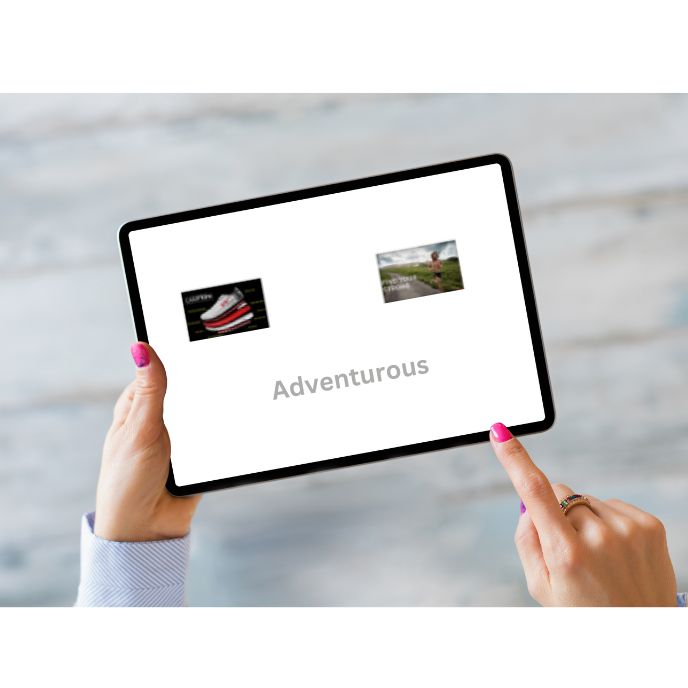
Split Second Research combines explicit responses with implicit techniques to build a richer picture of visual performance. Explicit testing can identify the elements people consciously enjoy looking at, while implicit response testing can uncover the associations and emotional reactions generated by a visual without relying solely on direct evaluation.

Together, these approaches can provide a more complete understanding of how creative work is being received.

TEST THE
DETAILS

Visual testing doesn’t have to be limited to comparing finished designs.

Individual visual assets can be explored for their emotional impact, attention and visual appeal. Packaging research, for example, can focus on front or back of pack, imagery, iconography, messaging and other design elements.

This means research can help identify not only which direction performs well, but the specific visual cues contributing to that response – providing more useful evidence for refining the creative.

DESIGN WITH
CONFIDENCE

Changing a familiar visual asset can have unintended consequences.

Split Second Research has found through its research that established visual elements can contribute important brand associations. Its bottled-water case study, for example, found that removing familiar assets during a packaging redesign had also removed cues associated with the brand’s heritage, freshness and purity.

Testing before making a change can help reveal which assets carry value, which can be improved and how different creative options affect attention and perception.

The result is a more informed creative process – using evidence to refine visual decisions rather than relying on preference or instinct alone.

When traditional surveys do and don’t work and what are the alternatives.

QUESTION

RESPOND

ASSESS

What is implicit research and how does it get closer to the truth?

SUBCONSCIOUS

INSTINCTIVE

TRUTH

Discover what grabs consumers’ attention and which visual elements make the difference.

COMPARE

REVIEW

DECIDE

How to measure a complex emotional response and its effect on buying decisions.

TEST

UNDERSTAND

DELIVER

    WE BRING
    IDEAS TO LIFE

    Communication done well, whether in words, images, video, or in person, can stop people in their tracks, change their minds, and inspire them to take action.